Urodynamics: What? How? Why? In a patient with urinary symptoms often we need to know what is actually happennibg in the bladder when


Urodynamics: What? How? Why? In a patient with urinary symptoms often we need to know what is actually happennibg in the bladder when

Neurogenic Bladder : The Basics A Urinary bladder which has been affected because of a neurologic condition…

Goals of managing a case of neurogenic bladder in the order of priority are:
Prevention of kidney failure
Prevention of recurrent and sever infections and sepsis
Preventing urinary leakage and keeping the patient dry
Spontaneous Voiding of urine from natural urinary passage
In effect, the expectation which the patient has of being able to pass urine on his own is the last priority for us because other life threatening issues take up priory…
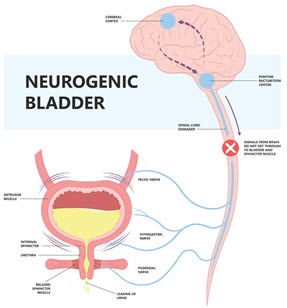
A Urinary bladder which has been affected because of a neurologic condition (condition arising from damage to the brain, spinal cord or nerves) …