
Self catheterisation to empty their own bladders is the truth for so many patients dealing with neurogenic bladder conditions and many other types of voiding dysfunctions (conditions where one is either unable to pass urine or it is not safe for him/her to pass urine on his/her own). According to estimates more than 50 adult men and women of every 1 lakh population may be doing so. This is the only way to maintain safe storage of urine in many high risk neurogenic bladders ( covered in my earlier blog) or where the bladders have no reflexes and power to expel urine (atonic bladders).

How is Neurogenic bladder treated?
Goals of managing a case of neurogenic bladder in the order of priority are:
Prevention of kidney failure
Prevention of recurrent and sever infections and sepsis
Preventing urinary leakage and keeping the patient dry
Spontaneous Voiding of urine from natural urinary passage
In effect, the expectation which the patient has of being able to pass urine on his own is the last priority for us because other life threatening issues take up priory…
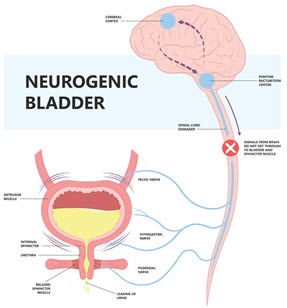
Neurogenic Bladder : Basics
A Urinary bladder which has been affected because of a neurologic condition (condition arising from damage to the brain, spinal cord or nerves) …
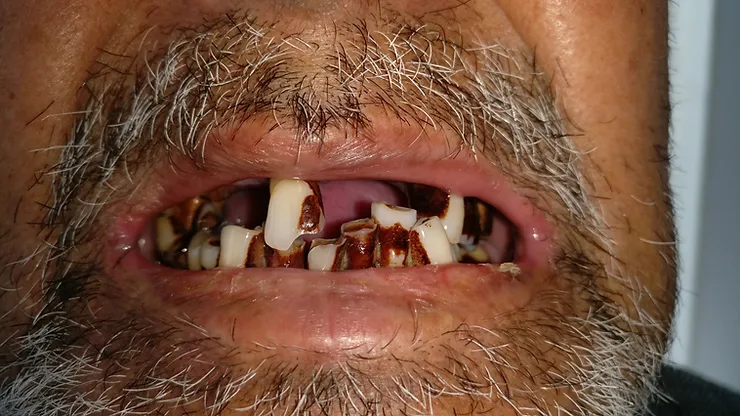
Buccal Mucosa Urethroplasty : When to avoid and look for alternatives
Although Buccal mucosa is the preferred graft material for Urethral reconstruction in stricture urethra, there are certain circumstances where it may provide inferior results…

Buccal Mucosa for Urethroplasty
If as a male or a female you are diagnosed with a urethral stricture I.e a narrowing of your urinary passage which is either…
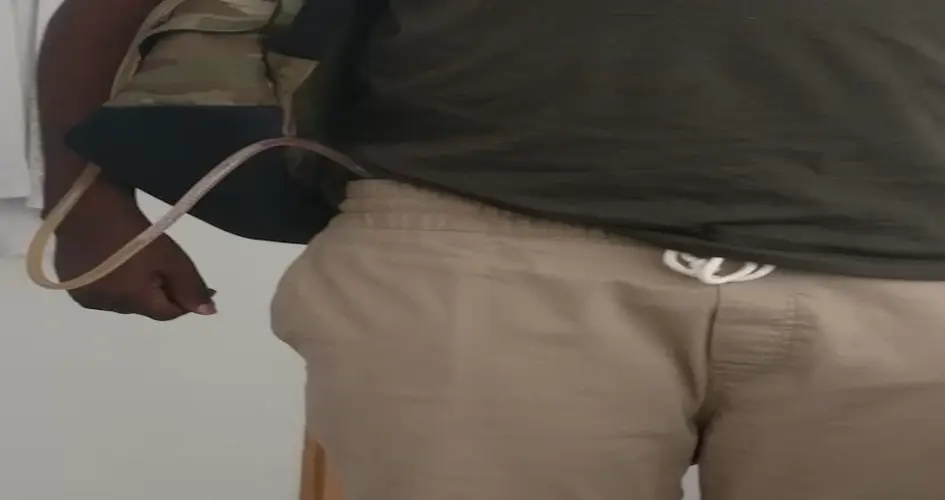
Catheter Care After Urethroplasty
After Urethroplasty, you will have a catheter passed through the reconstructed urethra, right up to the bladder…
Urge Incontinence
Urge is an intense desire to pass urine. And when the desire becomes too often and you have to visit the loo just for the fear of leakage…